 FI / EUR

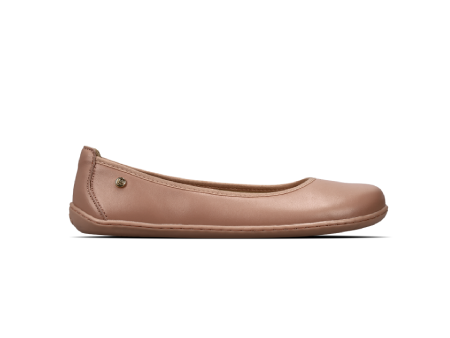
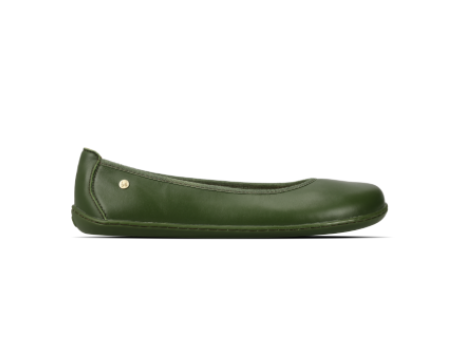
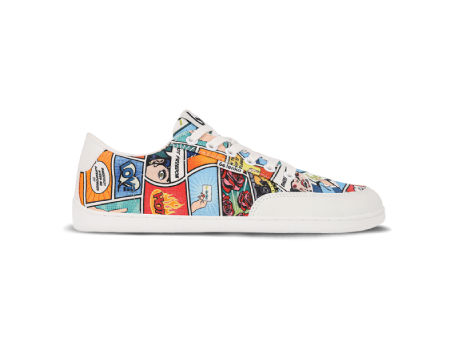
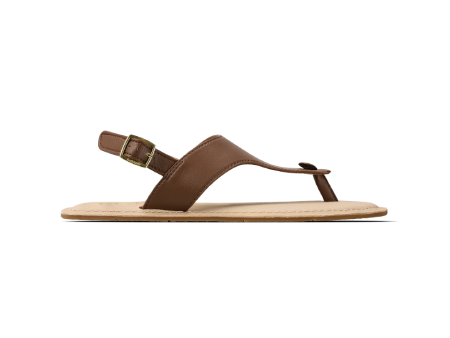
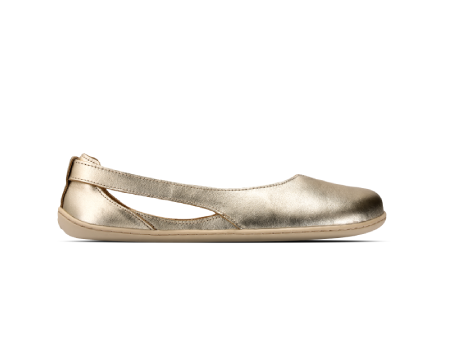
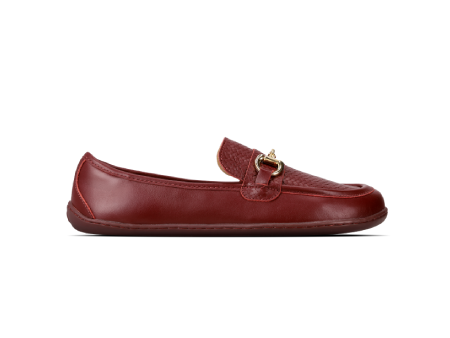
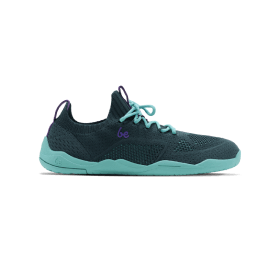
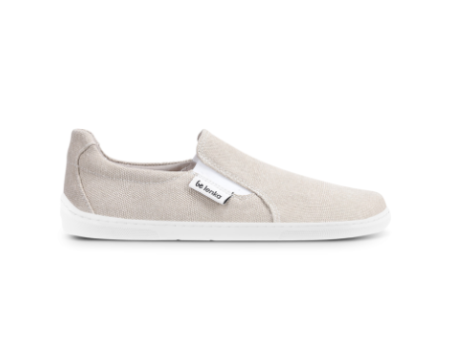
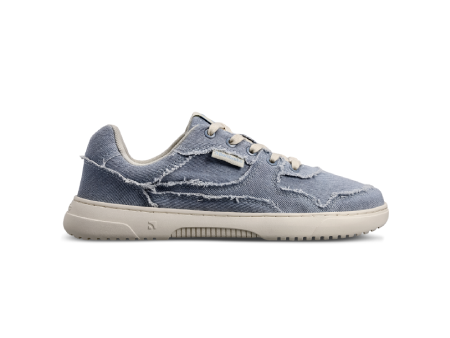
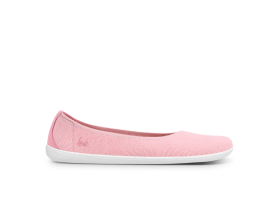
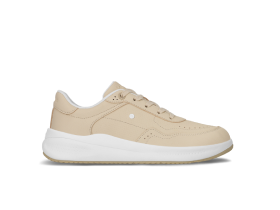
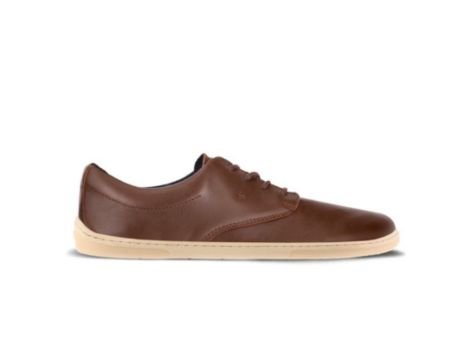
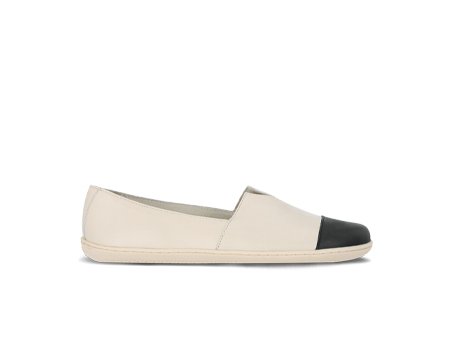

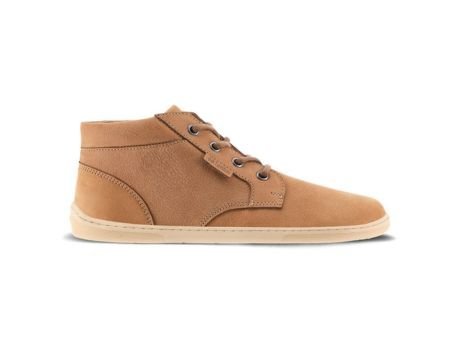
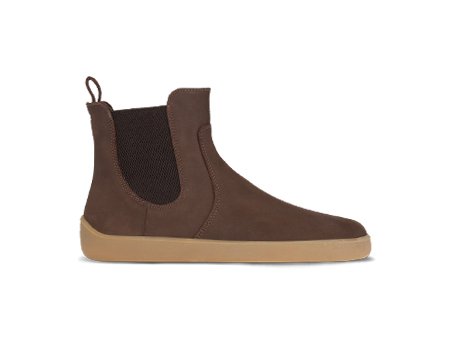
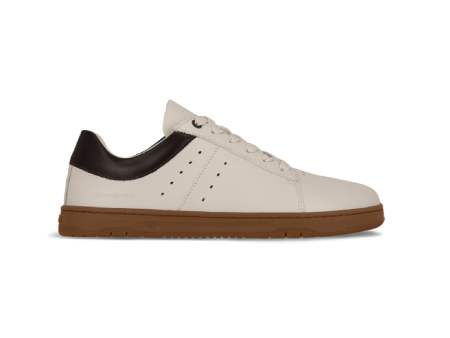
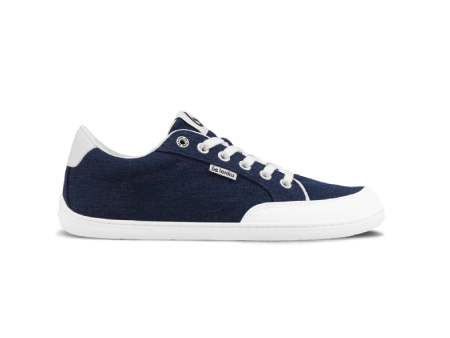

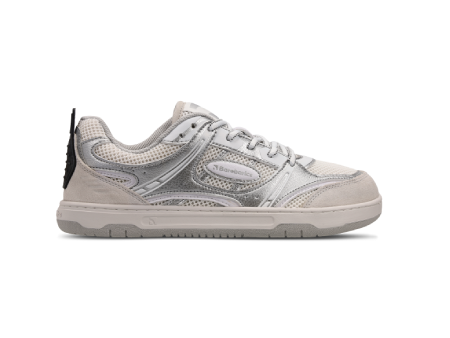
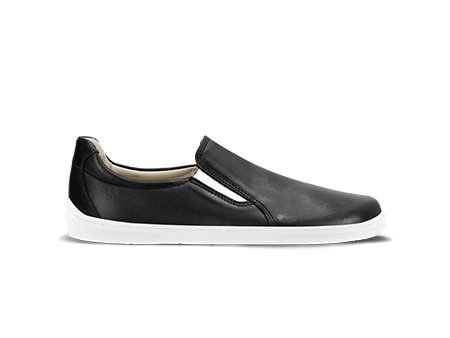
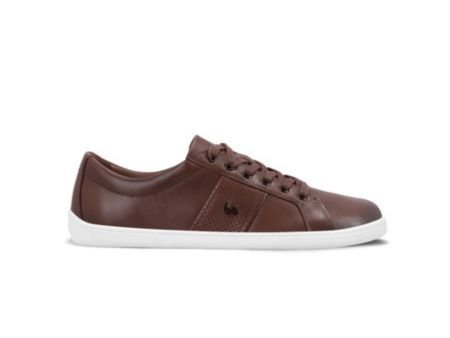

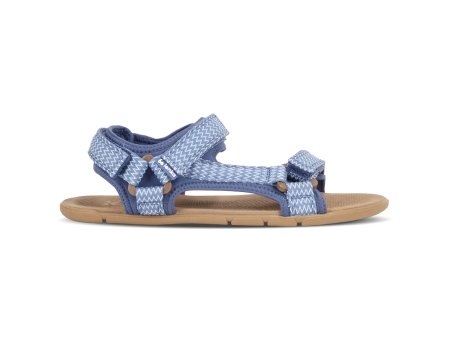

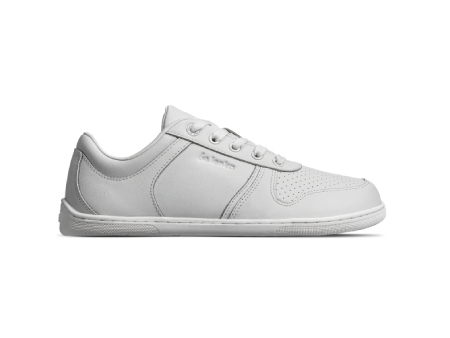

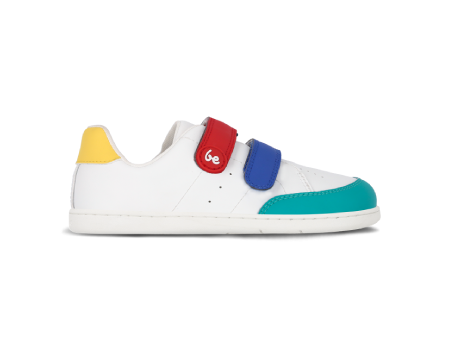
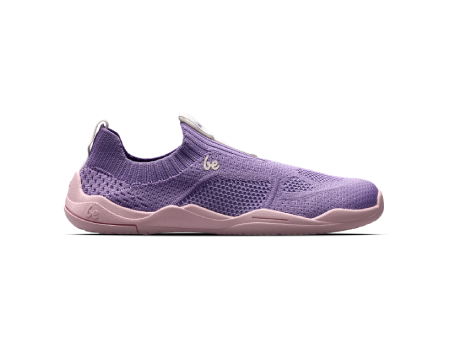
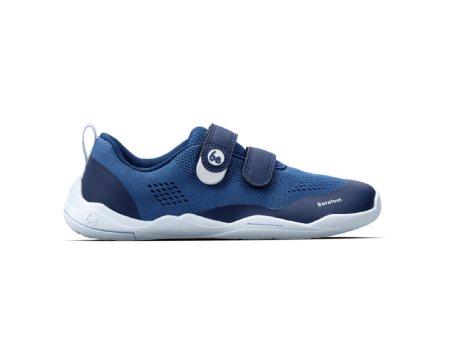
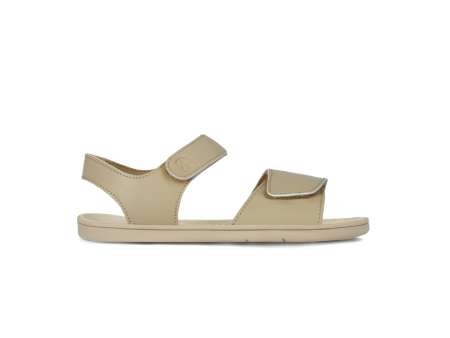


We Picked the Best for You


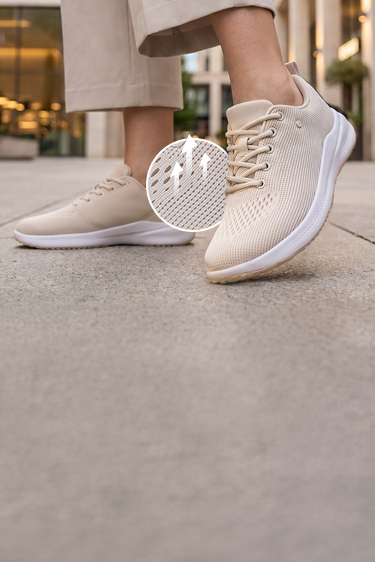
Discover a New Standard of Comfort with Aerra
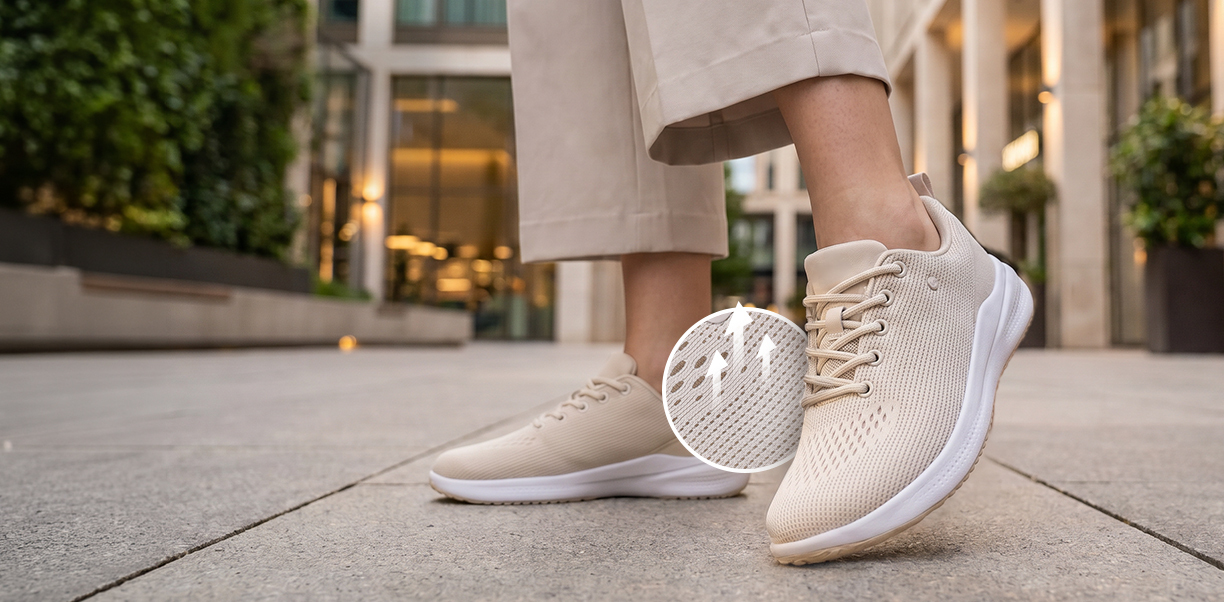
Meet the new Aerra. Made for moments when your feet need to breathe.
Gentle cushioning, excellent breathability, and natural barefoot freedom
Customer reviews on Trustpilot
Thoughtfully Crafted in Every Detail
What Makes Our Barefoot Recovery Shoes Exceptional?
Recovery Shoes Features
The toes have enough space and can move freely.
and support the foot's natural function while walking
What Are Barefoot Recovery Shoes?
+ -Barefoot recovery shoes are designed to help your feet recover after physical activity or a long day on your feet. Unlike conventional footwear, they feature a wide toe box that allows your toes to spread naturally, a zero or minimal drop sole, and gentle cushioning that supports natural movement instead of restricting it. Your feet can finally relax, realign, and recover. These are shoes designed to actively support long term foot health.
Who Are Barefoot Recovery Shoes For?
+ -Recovery shoes are ideal for anyone who spends long hours on their feet, whether at work, during training, or while running everyday errands. They are also a great option for people who want to transition into barefoot footwear gradually. Hard surfaces and prolonged standing put significant strain on the feet. Thanks to the wide toe box and gentle cushioning, barefoot recovery shoes help reduce pressure throughout the day. Your feet can move naturally, your toes are not compressed, and the sole absorbs impact more effectively.
Can I Wear Barefoot Recovery Shoes All Day?
+ -Absolutely. Recovery shoes are not just for occasional post workout use. They are designed for everyday wear. Thanks to breathable materials, lightweight construction, and a versatile design, they work perfectly for work, walks, and everyday city life. The more time you spend in footwear that respects the natural shape of your feet, the better it is for your long term foot health.
What Is the Difference Between Barefoot Recovery Shoes and Regular Footwear?
+ -Most conventional footwear is designed primarily to look good or meet athletic performance standards, not necessarily to support what your feet truly need. Narrow toe boxes squeeze the toes together, elevated soles shorten the Achilles tendon, and rigid soles limit natural movement. Barefoot recovery shoes give your feet the space, freedom, and support they genuinely need. You will notice the difference especially after long periods of wear. Your feet feel less tired, nothing feels restrictive, and overall comfort improves significantly.
Are Barefoot Recovery Shoes Suitable for Work Environments Where I Stand or Walk on Hard Surfaces for Long Hours?
+ -Yes, this is exactly the kind of situation they are made for. Hard floors and prolonged standing place constant strain on the feet. Fatigue gradually builds up, and conventional footwear often only masks the problem rather than addressing it. Thanks to the wide toe box and gentle cushioning, recovery shoes help reduce stress on the feet throughout the day. Your feet can move naturally, your toes are not squeezed together, and the sole helps absorb impact.
How Long Does It Take to Transition from Barefoot Recovery Shoes to Full Barefoot Footwear?
+ -The process is highly individual and depends on the type of footwear you have worn up until now. If you have spent years wearing conventional shoes with elevated heels, your feet, calf muscles, and tendons will need time to adapt. Barefoot recovery shoes are an excellent first step because they allow your feet to gradually adjust to a wider toe box and zero drop sole without forcing too much change at once. Some people adapt within a few weeks, while others need several months. The key is to listen to your body and avoid rushing the transition before you feel ready.
Are Barefoot Recovery Shoes Suitable for People with Foot Problems Such as Flat Feet or Heel Pain?
+ -Barefoot recovery shoes can provide relief for many people experiencing foot discomfort, although they are not a medical device. The wide toe box and zero drop sole encourage a more natural foot position, which may help reduce certain issues. If you have a diagnosed medical condition, we recommend consulting a physiotherapist or podiatrist before changing footwear. They can help determine whether barefoot footwear is suitable for you and advise you on the right pace for transitioning.
How Should I Care for Recovery Shoes? Can They Be Washed?
+ -Care depends on the specific model, but most of our shoes made with breathable mesh materials are very easy to maintain. For everyday dirt, a damp cloth and mild soap are usually enough. If deeper cleaning is needed, we recommend hand washing in cold water. Machine washing may damage the shape of the shoe or the bonded sole. Always allow the shoes to dry naturally and avoid direct heat sources.
What Is the Difference Between Recovery Shoes and Orthopaedic Insoles or Arch Support Footwear?
+ -Arch support footwear and orthopaedic insoles work through external support by holding up the arch from underneath. Recovery shoes and the barefoot philosophy take a different approach by giving the feet enough space and freedom for the muscles and arch to strengthen naturally on their own. Both approaches have their place and are not automatically contradictory, but transitioning from orthopaedic footwear to barefoot shoes should always be gradual and ideally guided by a professional.
How Do I Choose the Right Size for Barefoot Recovery Shoes?
+ -A simple rule applies to barefoot footwear: there should be at least one centimetre of space between your longest toe and the front of the shoe, while your toes should also have enough room across the width without being compressed from the sides. If you are between two sizes, we generally recommend choosing the larger one. Every foot is different, so whenever possible, we recommend trying the shoes on in person.
